

The Social Change Summit: Music Driving Social and Ecological Transformation
“Artivism” is the concept that unites Art and Activism. Many artists now identify as “artivists”, stressing the lasting bond between creativity and social causes.
Music, just like all the other forms of art, tells a story of belonging and expressing dissent.
Think about how jazz was born, pacifism hymns of the 60s, the anti-establishment protests of punk and hip-hop, all the way to “The Hanging Tree”, a ballad born for fictional purposes and becoming a rallying cry against oppression, or projects like EarthPercent by Brian Eno, calling the sector to donate part of its revenues to address climate crisis, an initiative that Linecheck proudly embraced in 2024.
Music creates cohesion, making visionary ideas more achievable.
From this awareness, our Social Change Summit was born, co-curated by Act in Synch, the platform connecting music, culture, and social innovation to explore how creativity can shape a more sustainable and connected world. Through summits, performances, and collaborations across Europe, Act in Synch connects industry and cultural players at every scale to turn awareness into action using culture as emotional infrastructure for times of change.
With this vertical, we aim to bring together artists, activists, changemakers and everyone interested in driving social and ecological transformation through culture. Only together can we act faster and create meaningful impact.
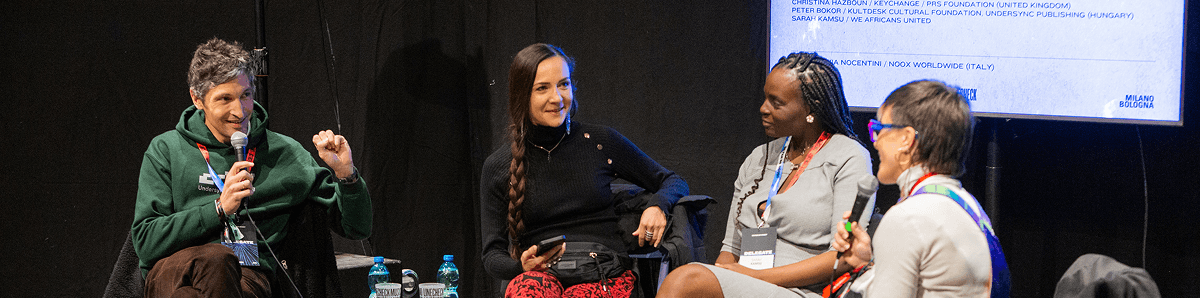
Art comes from the necessity of expression, but the truth is that only hegemonic cultures established themselves over the centuries, leaving many others marginalized and unheard.
The project TAKKUUK puts Indigenous voices at the center, with an immersive installation exploring the lives, communities and challenges faced by Indigenous artists. Alongside the installation, a talk with Nis Bøgvad, Niilas Peder, Charlie Miller, Tess Kendall and Saria Tourbah, inviting the audiences not only to support Indigenous communities, but also to learn from them in times of global change.
Another unheard voice is the one of nature itself, which is growing stronger, confronting us with the consequences of our uncontrolled anthropocentrism. In this scenario, composer Coco Francavilla is finding her way back to reconnect with the ocean, sharing the story behind Music For The Sea and her Re-Oceaning journey through an open conversation with Damir Ivic and a special performance.
If music has always been a means to empower communities and challenge oppression, how can we ensure it serves the interests of the many rather than the few? Dave Randall explores this fundamental question in his keynote The Political Power of Music, examining how artists, past and present, have committed to social causes.
Recognizing music power is just the beginning: we must translate it into concrete change. The panel Creator Spotlights: From Riffs to Revolutions – When Artists Take a Stand, hosted by Gabriella Gal with Alexandra Papademetriou, Saria Tourbah, Galen Ayers, Pasquale Pezzillo showcases actionable strategies and real-world practices.
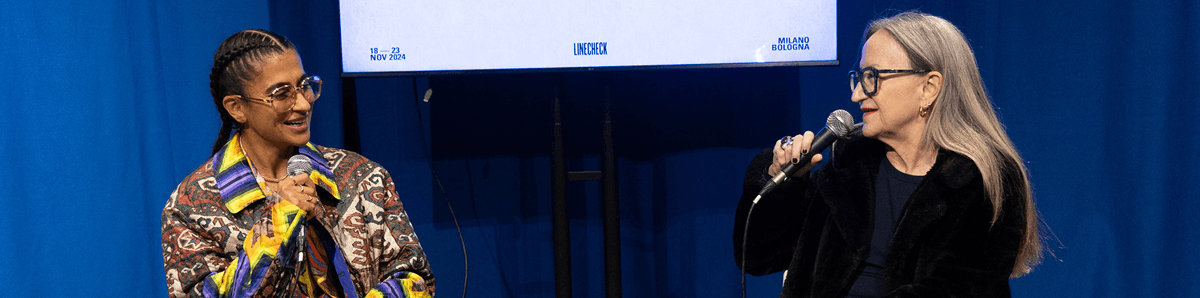
Questioning the legitimacy of today’s economic structures and values is key to start building new imagineries that are fairer, more inclusive and sustainable. Degrowth & Culture: Rethinking Success in Music?, with Fouzia Draoua, Alexandra Papademetriou, Galen Ayers, aims to redefine the meaning of success, shifting the priorities to foster sustainability, wellbeing, and deeper community impact.
Big changes start at every scale. How can we promote diversity and gender inclusion while addressing and reacting to daily violence? Come listen to Zahra Mani, Aysha Hussain, Samsaya and Irene Tiberi at How to (re)act to stories or incidents of violation or violence, focusing on the ways to develop effective responses and preventing escalation.
Other examples of practices, this time for building resilient and inclusive cities, comes from the panel Harnessing Music for Urban Climate Action, where Paula Simó Tomás brings together diverse voices from the music industry, urban innovation and grassroots organizing – Carlos Ribeiro, Frank Kimenai, Sophie Lamprou and Joost Vervoort – to discuss music’s relevance as a driver of civic participation, eco-transformation and climate action.
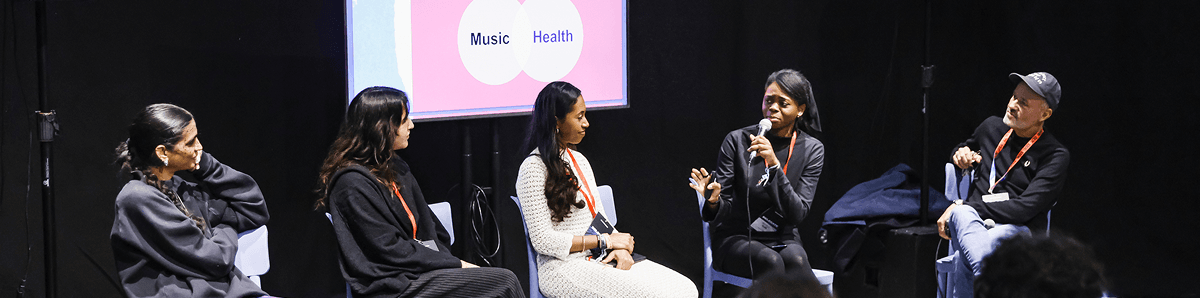
The Social Change Summit is just one part of a much broader meeting program addressing today’s music industry challenges. Explore here all the other summits, listening sessions, workshops and everything Linecheck’s Meeting has to offer.
Connect with artists, activists, resisting voices to build together a new creative infrastructure to address social, wellbeing and environmental issues.